Warrior Restoration LLC — Defending Your Home, Restoring Your Peace.
Water Damage Restoration in McKinney, TX
Contact Us
Available 24/7 with Emergency Response
“Water, Fire, Mold, and Storm — We Restore It All.”
Warrior Restoration LLC provides comprehensive restoration services for water, fire, mold, and storm damage in residential and commercial properties. Our certified team uses modern technology and proven methods to protect structures, remove hazards, and restore damaged areas. With clear communication and thorough workmanship, we ensure every project is handled safely, quickly, and with exceptional attention to detail.
Common Causes of Water Damage
Before restoration can begin, homeowners need to understand where unwanted water typically comes from. Below are the most frequent sources professionals encounter:
Broken or leaking pipes
Aging lines, pressure changes, or frozen pipes can release large amounts of water in a short time.
Appliance failures
Water heaters, dishwashers, washing machines, and refrigerator supply lines often leak slowly and go unnoticed.
Roof and gutter issues
Clogged gutters, damaged shingles, or flashing problems allow rainwater to enter attics and walls.
Sewer backups
Wastewater from clogged or overwhelmed sewer lines carries contamination into the home.
Storm and flood intrusion
Heavy rainfall, rising groundwater, and overflowing drains can quickly flood basements and ground floors.
Categories of Water Contamination
Different types of water require different cleanup methods. The list below explains the three main categories professionals use during assessment:
Category 1:
Clean Water
Comes from supply lines or minor appliance leaks and poses minimal health risk if addressed quickly.
Category 2:
Gray Water
Contains contaminants from sources like washing machines or overflowing sinks.
Category 3:
Black Water
Includes sewage, floodwater, or anything containing harmful bacteria or chemicals.
Why Fast Water Damage Response Matters
Water damage spreads quickly and silently. Within minutes, moisture begins to seep into flooring, drywall, and insulation, weakening the home’s structure and encouraging mold growth. Immediate action reduces long-term repairs, protects indoor air quality, and keeps small issues from turning into large, costly restorations.
Signs You Need Professional Water Damage Help
Many homeowners overlook early symptoms of moisture problems. The indicators below show when professional intervention is necessary:
Soft, warped, or buckling flooring
Water spots on walls or ceilings
Persistent musty odors
Peeling paint or bubbling drywall
Increased indoor humidity
Visible mold patches or darkened areas
What We Do
Our Comprehensive Services
Emergency Water Removal
Your property deserves fast action when water begins spreading. When we perform detailed extraction and moisture control, our certified team handles emergency water removal in McKinney, TX using industrial-grade equipment. Every step is designed to stop water migration and protect structural materials.
Flood Damage Cleanup
After a heavy storm or overflow, your home needs a cleanup process that removes more than visible debris. We follow strict sanitation and drying standards — which define flood damage cleanup McKinney, TX services — to eliminate contaminants safely. This restores cleanliness, stability, and indoor air quality.
Basement Water Removal
Basements collect water faster than any other part of the home, especially during storms. Our crews deploy pumps, vacuums, and dehumidifiers for precision drying, a process essential to basement water removal work performed throughout McKinney, TX. This prevents foundation damage and moisture buildup.
Ceiling Water Damage Repair
Ceiling leaks can send moisture into insulation and electrical zones before you ever see a stain. We offer careful repairs — the kind expected from ceiling water damage repair McKinney, TX specialists — to replace damaged drywall and eliminate trapped moisture. This ensures overhead areas remain safe and structurally sound.
Drywall Repair After Water Damage
Water compromises drywall quickly, causing bubbling, warping, and hidden mold. Whenever our team handles drywall repair after water damage McKinney, TX, we remove saturated materials, rebuild affected sections, and match textures seamlessly. These repairs restore the appearance and safety of interior walls.
Structural Drying
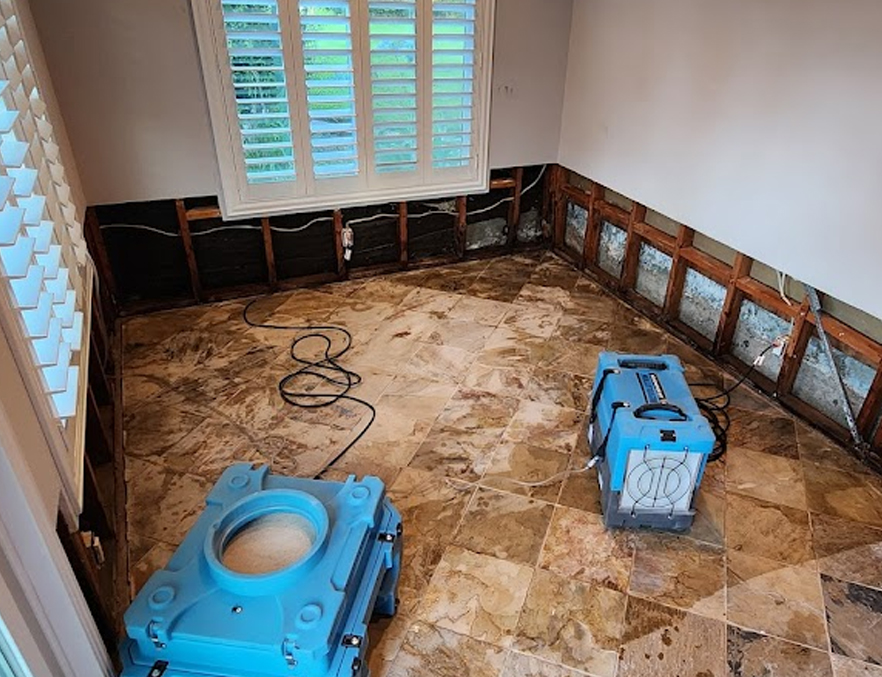
Moisture trapped inside framing can lead to long-term structural deterioration. That’s why our technicians perform structural drying with commercial dehumidifiers and meters — a critical service used across McKinney, TX for water-damaged buildings. This method ensures deep layers of the structure are safely dried.
Preventing Water Damage in the Future
Homeowners can reduce their risk of future water problems by following simple, proactive maintenance habits. Below are effective strategies that help minimize damage:
Routine plumbing inspections
Checking pipes regularly helps catch small leaks before they spread.
Roof and gutter care
Clearing gutters and repairing shingles keep rainwater flowing away from the home.
Appliance maintenance
Inspecting hoses and connections prevents sudden water releases.
Proper yard grading
Directing water away from the home’s foundation reduces moisture intrusion.
Sump pump testing
Regular testing ensures the pump works when heavy rain hits.
Structural Areas Most Affected by Water Damage
Water spreads far beyond the point where it first appears. It travels behind walls, under flooring, and through insulation. Areas such as drywall, subfloors, joists, and electrical systems are especially vulnerable, which is why professional containment and moisture monitoring are essential for a safe and complete restoration.
The Water Damage Restoration Process
Restoring a home after a water incident requires a clear, structured approach. The steps below outline how professionals return a property to pre-damage condition:
Inspection and moisture mapping Technicians identify affected areas and measure moisture levels to plan the correct response.
Water extraction Pumps and vacuums remove standing water to stop further saturation.
Drying and dehumidification Industrial equipment targets trapped moisture inside building materials.
Cleaning and sanitization Surfaces are disinfected to prevent mold, bacteria, and lingering odors.
Repairs and restoration Damaged materials are replaced, and structural components are restored.
Why DIY Cleanup Is Risky
Water damage often extends deeper than what can be seen on the surface. Homeowners who attempt DIY cleanup risk leaving behind trapped moisture that later develops into mold or structural deterioration. Professional-grade drying equipment and moisture meters ensure that all hidden moisture is removed correctly and safely.
REVIEWS
What are client says about us...
STILL GOT QUESTIONS?
Frequently Asked Questions
How do I know if structural materials need to be removed during water damage restoration?
Structural materials usually require removal when moisture readings show saturation beyond safe drying thresholds. Technicians use meters and infrared cameras to check if framing, subfloors, or drywall can be salvaged. If moisture remains trapped inside after controlled drying, removal becomes necessary to prevent mold growth and structural deterioration.
What conditions must be met before structural drying equipment can be installed?
Classification is based on the source of the water and the level of contamination present. Inspectors evaluate factors like exposure time, surrounding materials, and microbial indicators. This classification dictates which safety protocols, disinfectants, and removal methods must be used.
How do professionals determine whether water is clean, gray, or black water?
Classification is based on the source of the water and the level of contamination present. Inspectors evaluate factors like exposure time, surrounding materials, and microbial indicators. This classification dictates which safety protocols, disinfectants, and removal methods must be used.
What should I do before a mold remediation team arrives?
Before remediation starts, occupants should stop airflow in the affected area, avoid touching or cleaning visible mold, and clear pathways for containment setup. These steps help prevent spores from spreading. The remediation team will then isolate the environment and begin controlled removal.
How do technicians determine if smoke odor has permeated walls or insulation?
Specialists perform surface testing, thermal imaging, and odor-path tracing to see how deeply smoke particles traveled. If odors are embedded in porous materials, insulation or drywall may need removal. For mild cases, fogging and ozone treatments can neutralize odors without demolition.
What preparation is needed before fire damage cleanup begins?
The area must be structurally safe to enter, and utilities such as gas and electricity may need temporary shutoff. Inspectors assess soot levels, residue patterns, and stability before work can begin. This ensures that removal, cleaning, and reconstruction occur safely and systematically.
How do experts determine whether a basement can be dried without removing the flooring?
Moisture meters and subfloor probes show whether water has traveled beneath the surface. If readings indicate deep saturation, flooring removal is required to allow airflow. If the moisture is contained to the top layer, technicians can often dry the area using targeted equipment.
Can drying equipment run continuously, or are there times it should be shut off?
Professional drying systems are designed to run continuously to maintain consistent evaporation and humidity control. Shutting off equipment disrupts the drying cycle and can cause moisture to settle back into surfaces. Technicians adjust equipment only during monitoring checks or repositioning.
24/7 Emergency Response
Get Fast, Professional Water Damage Restoration in McKinney, TX
When water, mold, fire, or storm damage affects your property, our team is ready to respond immediately. Call now for quick service, thorough mitigation, and expert restoration from certified technicians.

Our Services
Water Damage Restoration
Other Services
© 2025 All Rights Reserved | Warrior Restoration LLC